Translate Bosnian to English: A Practical 2026 Guide
Need to translate Bosnian to English? Our guide covers machine vs. human options, AI tools, and tips for accurate translations of idioms and documents.
That Bosnian message usually arrives at the worst possible moment. You open an email, PDF, screenshot, or chat export, recognize just enough to know it matters, and then your brain offers the classic plan: copy, paste, pray.
That works for rough understanding. It does not work when the text affects a client decision, a contract, a support case, a compliance review, or anything else you'd rather not explain later with, “Well, the translator said something sort of like that.”
Often, two options are presented. Option one is a free machine translator for speed. Option two is a human translator for safety. In practice, the strongest way to translate Bosnian to English is usually a hybrid workflow. Use AI to get traction fast, then shape, verify, and polish the output so it reads like real English and preserves the original meaning.
That's the difference between “I got the gist” and “I can send this.”
So You Need to Translate Bosnian to English Now
A Bosnian file lands in your inbox five minutes before a meeting. It might be a customer complaint in a screenshot, a scanned form, or a contract clause buried in a PDF. The first decision is not which translator to open. It is how much damage a bad translation could cause.
That one call shapes everything that follows. A missed nuance in a team chat is annoying. A missed nuance in a legal or compliance document can create real cost, delay, or liability.
Start by sorting the text by risk and by format, because both matter.
- Low risk: internal emails, chat threads, public comments, article summaries, travel details
- Medium risk: proposals, product copy, presentations, client updates, support documentation
- High risk: contracts, court records, medical material, immigration paperwork, compliance documents
Format changes the workflow too. Plain text is easy. PDFs, scans, tables, and mixed-language files usually create more problems than the Bosnian itself. Text can drop out, headings can shift, and names or numbers can get mangled if you jump between too many tools.
That is why I prefer to handle the job in one platform.
Instead of copy-pasting chunks into a free translator, then opening another app for OCR, then another for editing the English, keep the whole chain together in Zemith. Upload the document, generate a draft, review terminology, rewrite awkward passages, and produce a final English version in the same workspace. The speed gain is real, but the bigger win is control.
If you already compare models for writing and analysis, the same habit helps here. Different systems make different translation mistakes, especially with phrasing, tone, and ambiguous source text. A quick look at how models behave in a makes that trade-off easy to recognize.
Practical rule: the higher the stakes, the more your process matters. Translation quality comes from the workflow, not just the first draft.
Machine vs Human Translation When to Use Each
A Bosnian client email lands in your inbox five minutes before a meeting. You need the meaning now, but you also need to know whether the draft can go straight into your workflow or whether it needs a qualified translator before anyone acts on it.
That decision matters more than the old machine-versus-human argument. In practice, the job is to match the method to the risk, then keep the work inside one controlled process instead of scattering it across tabs.

When machine translation does the job
Machine translation is a strong first pass for low-risk content and time-sensitive review. Bosnian is well supported by modern translation systems, so getting a usable English draft is usually easy. The catch is quality variance. One model may preserve structure well but flatten tone. Another may sound more natural while missing a legal nuance or an implied subject.
Use machine translation for work like this:
- Fast comprehension: emails, chat messages, comments, meeting notes
- Content triage: deciding what needs full review and what does not
- Repeatable text: product attributes, internal references, short support snippets
- Draft generation: creating a base version for an editor or reviewer
I rarely judge an AI translation tool by one clean sentence. The ultimate test is how it handles ambiguity across a full document. If you already compare models for writing, the same habit applies here. A useful reference point is this . Translation errors follow the same pattern. Different systems fail in different ways.
Cost also changes the decision. If a team already uses premium translation software, pricing options like can make a paid draft-and-review workflow more realistic than relying on a free text box for everything.
When human translation is required
Some Bosnian-to-English work needs a person from the start, or at least before the text leaves your organization.
Use a human translator or bilingual reviewer for:
This is usually where raw machine output breaks. It can look fluent while being slightly wrong, which is more dangerous than obviously broken English.
The practical rule
Ask a narrower question. What is this translation for?
If the goal is internal understanding, machine translation is often enough. If the goal is publication, compliance, approval, or formal reliance, add human review.
A simple check helps:
- What happens if one sentence is mistranslated?
- Does the reader need polished English or just the core meaning?
- Will this text be stored, signed, published, or audited?
- Does confidentiality rule out casual copy-paste workflows?
- Is this a single paragraph or a document with repeated terminology?
The strongest setup is usually hybrid. Generate the first draft with AI, review the risky sections with a human, and finalize the English in the same workspace. In Zemith, that means the upload, draft, revision, terminology checks, and final text all stay together. You move faster, and you lose less context along the way.
Choosing Your AI Translation Toolkit
Not all translation tools are equal. Some are fine for a quick sentence. Some are decent with documents. Some are really just text boxes wearing confidence like a cheap suit.

Why single-tool translation often breaks down
Modern Bosnian-to-English translation isn't just about typed text anymore. Current tools cover text, speech, images, and documents, and some update output in real time while you type. Bosnian also appears in production-grade speech systems. That's a sign the workflow has expanded well beyond dictionary-style lookup ().
That sounds great until you hit the practical limits.
One common bottleneck is document length. QuillBot's Bosnian-to-English translator notes a 5,000-character batch limit for free users and says short inputs return in “seconds.” It also says premium access removes the cap and supports document translation directly, which is much better for longer workflows because splitting text into chunks can break terminology consistency across paragraphs ().
What to look for in a real toolkit
A workable setup should help you do more than paste text. Look for this mix:
- Document handling: upload PDFs, docs, screenshots, not just plain text.
- Model comparison: compare more than one AI output when wording matters.
- Editing tools: rewrite awkward English without leaving the workspace.
- Research support: check terms, idioms, and context on the spot.
- Memory and organization: keep source text, draft, and final copy together.
That's where an all-in-one workspace can help. Zemith gives access to multiple AI models, document chat, and editing tools in one interface, which is useful when you need to move from raw Bosnian input to a polished English version without bouncing across a dozen tabs. If you're comparing broader options first, this roundup of is a practical place to start.
A useful budget shortcut
If you specifically want a lower-cost way to access another translation option for side-by-side checking, can be a useful resource. A second opinion is often enough to catch odd wording before it goes out the door.
Working habit: Run the same Bosnian passage through two different systems when the wording feels even slightly off. If both agree, confidence goes up. If they diverge, review that sentence manually.
The Secrets of Pre-Editing and Post-Editing
Raw AI output is a draft. Professionals know this. Beginners learn it the hard way.
The fastest way to improve Bosnian-to-English results is not hunting for a magical translator. It's controlling what goes in and cleaning up what comes out.

Pre-edit the Bosnian before you translate it
AI handles clear source text much better than messy source text. If the original is a copied email thread, a screenshot dump, or a document stitched together from different places, clean it first.
Do this before translation:
- Separate sections clearly: headings, bullets, labels, and speaker turns help the model preserve structure.
- Fix obvious source issues: duplicated lines, OCR glitches, random line breaks, and mixed fragments confuse the output.
- Mark ambiguous names or terms: company names, legal labels, acronyms, and product names should stay consistent.
- Keep related sentences together: splitting too aggressively can damage context.
- Normalize scripts when needed: if the file mixes Latin and Cyrillic, standardize it before deeper editing.
A lot of bad machine translation is really bad input formatting wearing a fake mustache.
Post-edit for meaning first, style second
Once you have the English draft, don't start by polishing the prose. First check whether it means the same thing.
Review in this order:
Terminology Confirm repeated terms are translated the same way throughout the document.
Factual content Check names, dates, numbers, references, and official wording against the source.
Sentence intent Ask whether the sentence sounds stronger, weaker, softer, or more definite than the Bosnian original.
English fluency Only after meaning is safe should you smooth awkward phrasing.
The professional workflow for higher-stakes text
For important material, use a more disciplined review method. A published translation project recommends a TRAPD-style pipeline: create independent drafts, compare them item by item with bilingual reviewers who understand the subject matter, adjudicate disagreements, then pretest and document decisions for transparency and to reduce avoidable meaning drift in technical texts ().
That sounds academic, but the practical takeaway is simple. Don't rely on one pass and one opinion when the content matters.
A lightweight version for business use looks like this:
Clean English beats literal English
Literal output often preserves Bosnian structure too closely. The sentence may be “correct” but still sound stiff, overpacked, or oddly formal in English. That's where rewriting helps.
Use an editor to:
- Shorten overloaded sentences: English usually prefers cleaner sentence breaks.
- Fix register drift: one paragraph shouldn't sound like a legal filing and the next like a group chat.
- Smooth connective phrases: literal transitions can feel clunky.
- Standardize tone: formal, neutral, conversational, technical. Pick one and keep it.
For that final pass, a focused editing workflow matters as much as the translation itself. This guide on is useful if you want a clean checklist for tightening the English draft.
A strong translation doesn't sound translated. It sounds like the original author happened to write excellent English.
Navigating Bosnian Idioms and Grammar Quirks
Machine translation often reveals its limitations: the words are translated, but the sentence still feels wrong. Not broken enough to trigger alarm bells, just wrong enough to embarrass you in front of someone who knows the language.
Idioms are traps with good marketing
Translate a Bosnian idiom word-for-word and you can end up with English that sounds like a fever dream. The machine may preserve every word and still miss the point completely. That's why idioms need interpretation, not obedience.
When a sentence seems bizarre in English, test three possibilities:
- It's an idiom: the literal image doesn't carry over.
- It's register-specific: maybe colloquial, sarcastic, or bureaucratic.
- It's missing context: especially in chat fragments or quoted conversation.
Bosnian structure can sound heavy in English
Bosnian sentences can tolerate structures that become cumbersome when carried over directly. English often needs a clearer subject, simpler clause order, or a split into two shorter sentences. If your translated sentence feels like it's wearing three winter coats indoors, rewrite it.
Watch for:
- Long stacked clauses: break them apart.
- Over-literal connectors: replace stiff transitions with natural English equivalents.
- Pronoun ambiguity: English often needs the subject restated more clearly.
- Formal wording drift: some machine outputs sound more official than the source.
Don't ignore script and regional variation
One issue many guides skip is script handling. Bosnian translation tools often talk about speed or “accuracy,” but they rarely explain how to deal with Latin versus Cyrillic script or regional variation, even though that can affect outcomes significantly, especially in mixed-source material like chats, scans, or archived files ().
If you're editing difficult input, semantic checking helps. This explanation of is useful because it trains the exact habit you need here: stop looking only at words and start looking at intended meaning.
When a translation is technically accurate but socially strange, the problem is usually context, not vocabulary.
Unify Your Translation Workflow in One Platform
Most translation mistakes aren't caused by one catastrophic failure. They happen because the process is scattered. You upload the PDF in one place, paste paragraphs into another tool, rewrite awkward English somewhere else, and keep your terminology notes in a document called final_v7_REAL_final.
That's how inconsistencies sneak in.

A cleaner workflow for real documents
A unified workflow looks like this:
Upload the source file Bring in the Bosnian PDF, doc, screenshot, or copied text.
Generate a draft translation Use AI to produce the first English version.
Review difficult passages Flag idioms, legal phrases, and repeated terminology.
Edit inside the same workspace Rewrite awkward English, standardize tone, and tighten flow.
Finalize and export Save the polished version without losing the source context.
This matters most when the document is long, mixed-format, or collaborative. If different people touch the draft in different tools, consistency drops fast. If the source and output live together, reviewers can inspect the original wording while editing the English.
Where a single workspace earns its keep
You don't need an “AI translator.” You need a place where translation, rewriting, and checking happen without friction. That's the practical difference between a tool and a workflow.
If you're comparing all-in-one options, this overview of is a useful shortcut. Look specifically for document support, model access, editing controls, and workspace organization. Those features matter more than flashy translation buttons.
For a quick product walkthrough, this demo helps show what an integrated document workflow looks like in practice.
A good Bosnian-to-English process should feel boring in the best way. Upload. Draft. Compare. Edit. Approve. Done. No tab circus. No mystery sentence that somehow changed tone halfway through page three. No detective work to remember which version was the one you meant to send.
If you regularly translate Bosnian to English for work, the biggest upgrade usually isn't a smarter prompt. It's a calmer system.
If you want one place to handle document upload, AI drafting, editing, and research without juggling separate apps, is worth a look. It fits the hybrid workflow well when you need to move from rough Bosnian input to polished English output with fewer handoffs and less cleanup.
Explore Zemith Features
Every top AI. One subscription.
ChatGPT, Claude, Gemini, DeepSeek, Grok & 25+ more


Always on, real-time AI.
Voice + screen share · instant answers
What's the best way to learn a new language?
Immersion and spaced repetition work best. Try consuming media in your target language daily.
Voice + screen share · AI answers in real time
Image Generation
Flux, Nano Banana, Ideogram, Recraft + more

Write at the speed of thought.
AI autocomplete, rewrite & expand on command
Any document. Any format.
PDF, URL, or YouTube → chat, quiz, podcast & more
Video Creation
Veo, Kling, Grok Imagine and more

Text to Speech
Natural AI voices, 30+ languages
Code Generation
Write, debug & explain code
Chat with Documents
Upload PDFs, analyze content
Your AI, in your pocket.
Full access on iOS & Android · synced everywhere
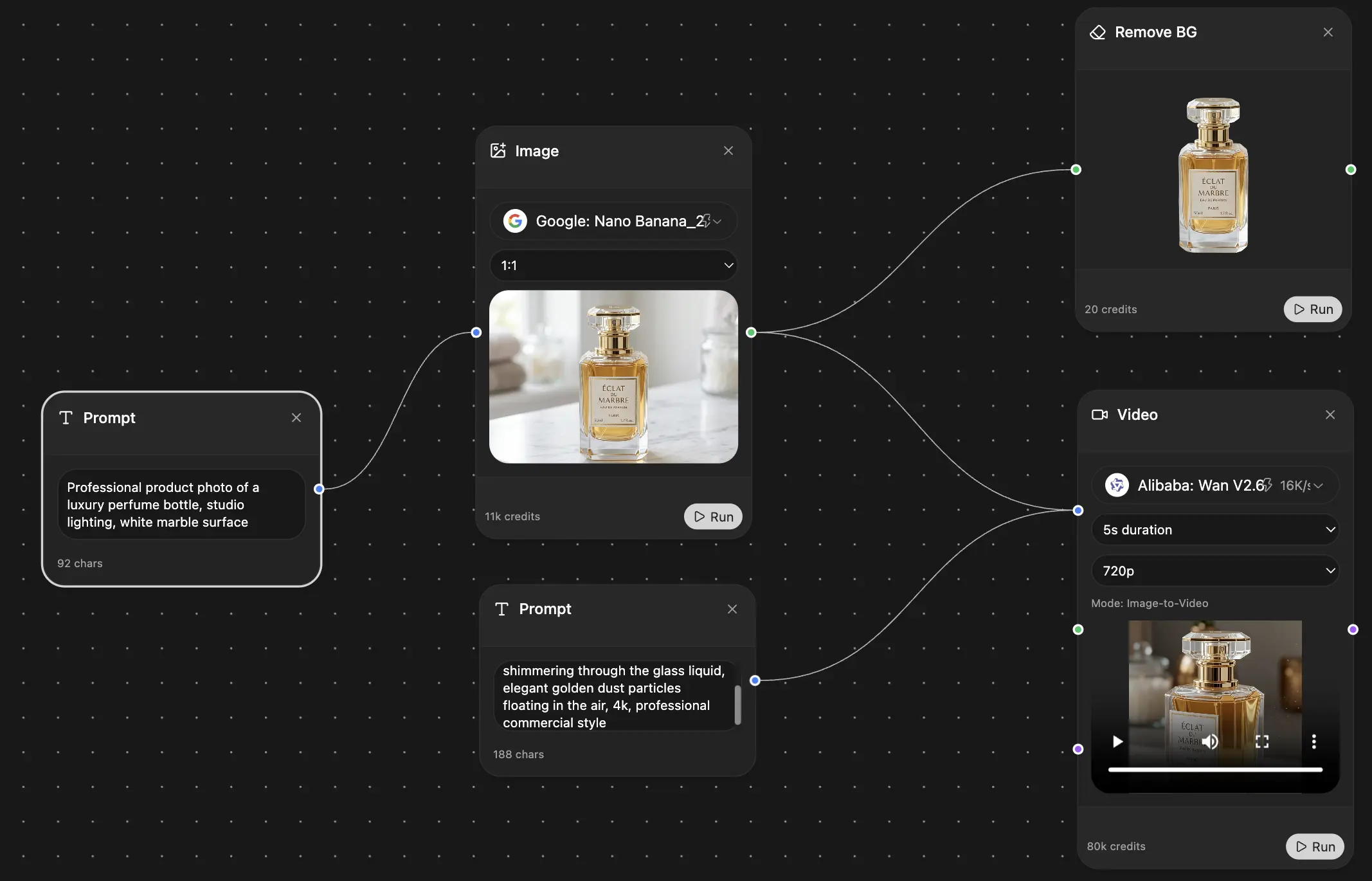
Your infinite AI canvas.
Chat, image, video & motion tools — side by side
Save hours of work and research
Transparent, High-Value Pricing
Trusted by teams at


Free
No credit card required
- 100 credits daily
- 3 AI models to try
- Basic AI chat
Plus
- 1,000,000 credits/month
- 25+ AI models — GPT, Claude, Gemini, Grok & more
- Agent Mode with web search, computer tools and more
- Creative Studio: image generation and video generation
- Project Library: chat with document, website and youtube, podcast generation, flashcards, reports and more
- Workflow Studio and FocusOS
Professional
- Everything in Plus, and:
- 2,100,000 credits/month
- Pro-exclusive models (Claude Opus, Grok 4, Sonar Pro)
- Motion Tools & Max Mode
- First access to latest features
- Access to additional offers
What Our Users Say
Great Tool after 2 months usage
"I love the way multiple tools they integrated in one platform. Going in the right direction."
— simplyzubair
Best in Kind!
"The quality of data and sheer speed of responses is outstanding. I use this app every day."
— barefootmedicine
Simply awesome
"The credit system is fair, models are perfect, and the discord is very responsive. Quite awesome."
— MarianZ
Great for Document Analysis
"Just works. Simple to use and great for working with documents. Money well spent."
— yerch82
Great AI site with accessible LLMs
"The organization of features is better than all the other sites — even better than ChatGPT."
— sumore
Excellent Tool
"It lives up to the all-in-one claim. All the necessary functions with a well-designed, easy UI."
— AlphaLeaf
Well-rounded platform with solid LLMs
"The team clearly puts their heart and soul into this platform. Really solid extra functionality."
— SlothMachine
Best AI tool I've ever used
"Updates made almost daily, feedback is incredibly fast. Just look at the changelogs — consistency."
— reu0691