8 Powerful Synonyms for Information to Make Your Writing Shine in 2026
Tired of 'information'? Explore 8 powerful synonyms for information, from 'data' to 'intelligence,' and learn when to use them for maximum impact.
Let's play a game. How many times have you used the word 'information' today? Five? Ten? A hundred? It's the vanilla ice cream of the professional world: reliable, but a little… bland. In a world buzzing with data, insights, and intelligence, sticking to just 'information' is like having a supercomputer to only check your email. It gets the job done, but you're missing out on all the power!
This isn't just about sounding smarter (though it's a nice perk). Choosing the right word from the many available synonyms for information changes the entire meaning of your message, making it more precise, impactful, and actionable. Are you dealing with raw numbers? That's data. Have you found a game-changing trend in those numbers? That's an insight.
We're about to dive into potent synonyms for information, exploring the subtle but crucial differences. And we'll show you how a tool like , an all-in-one AI powerhouse, can help you not just find these words, but generate the very data, insights, and intelligence they represent. To avoid linguistic monotony and make your writing truly shine, you can even to discover diverse options.
Ready to upgrade your vocabulary and your workflow? Let's get started.
1. Data
Kicking off our list of synonyms for information is the foundational building block of modern insight: data. Think of data as the raw, unprocessed facts and figures. It’s the jumble of numbers, text, and observations that, on its own, might not mean much. It's like a pile of Lego bricks without instructions - the potential is there, but you need to assemble it to build something cool.

Data becomes information only after it’s been processed, organized, and given context. This term is a cornerstone of business strategy, and for a good reason. In a tool like , raw data is the input that its AI models use to perform deep research and analyze documents, ultimately extracting actionable insights. It’s the fuel for the entire machine.
When to Use "Data"
Choose the word "data" when you are specifically talking about quantitative or qualitative inputs before they've been interpreted. It's the right term for sets of statistics, customer transaction logs, sensor readings, or massive document libraries waiting for analysis. What is a good alternative word for information in a technical context? "Data" is usually your best bet.
Key takeaway: Use "data" to emphasize the raw, objective nature of the material. It implies a need for processing or analysis to uncover the story hidden within. If you have a spreadsheet full of numbers, you have data. Once you create a chart showing a sales trend from that spreadsheet, you have information.
Actionable Tips for Working with Data
Don't let your raw data collect digital dust. Here’s how you can turn it into your secret weapon using :
- Organize Chaos: Use Zemith's Document Assistant to automatically sort and categorize huge volumes of raw data, like customer feedback forms or research papers.
- Spot the Patterns: Point the deep research capabilities at a large dataset, like web search results for competitive analysis, to quickly find hidden trends and patterns you might have missed.
- Build Your Archive: Keep your datasets tidy and accessible for future projects by organizing them within the Library feature.
- Ask Questions in Real Time: Got a confusing chart or a weird spike in your numbers? Use AI Live Mode to ask clarifying questions and get instant interpretations of data patterns.
By turning raw inputs into clear reports, you can make smarter decisions faster. It’s like having a data scientist on call 24/7, but without the awkward small talk about their sourdough starter.
2. Knowledge
If data is the raw ingredient, then knowledge is the fully-prepared, Michelin-star meal. Knowledge is what happens after information has been processed, connected, and understood. It’s the synthesized understanding you gain from learning and experience, allowing you to see the bigger picture and make expert judgments. It's less about having the facts and more about understanding what they mean and how they connect.

This term was popularized by management thinker Peter Drucker with his "knowledge worker" concept and is central to fields like knowledge management. In a tool like , the entire platform is designed to help you build and organize knowledge. Features like the integrated workspace and contextual memory allow users to develop deep expertise by connecting insights across different documents and projects. It becomes your second brain, but one that never forgets where you left your keys.
When to Use "Knowledge"
Use the word "knowledge" when you are talking about expertise, comprehension, and the practical application of information. It's the right choice when discussing a person's or organization's accumulated expertise, the insights gained from a research project, or the deep understanding required to solve complex problems.
Key takeaway: Use "knowledge" to highlight understanding and expertise, not just awareness of facts. A developer has information about a new coding library from the documentation, but they have knowledge once they’ve used it to build an application and understand its nuances.
Actionable Tips for Building Knowledge
Turn scattered information into a powerful, connected knowledge base. Here’s how you can use to become the go-to expert in your field:
- Build Your Brain: Use Zemith’s Projects feature to create dedicated workspaces for specific topics, consolidating all your research, notes, and documents into an organized knowledge hub.
- Connect the Dots: As you work across different files, Zemith’s contextual memory helps you see connections and build a deeper, more integrated understanding of your subject matter.
- Reinforce Learning: Turn any document into a set of flashcards or a quiz to actively test your recall and solidify key concepts, making sure new information sticks.
- Capture Eureka Moments: Document insights and ideas as they happen using the Smart Notepad, ensuring no brilliant thought gets lost.
By actively organizing and connecting what you learn, you build an invaluable asset—an internal library of expertise that grows with every project.
3. Insights
If data is the raw material and information is the assembled product, then insights are the "aha!" moments of pure genius you get from understanding it all. Think of insights as the deep, actionable understanding you gain after analyzing information. It’s the story behind the numbers, the "why" behind the "what." An insight is the spark that connects disparate pieces of information to reveal a new opportunity, a hidden risk, or a core truth.
Insights are more than just facts; they are conclusions that suggest a course of action. In , the deep research and AI analysis features are built specifically to find these connections, generating high-level insights for everything from competitor analysis to academic research. It helps you find the needle in the haystack, and then tells you what the needle is for.
When to Use "Insights"
Choose the word "insights" when you're referring to a profound understanding gained from analysis that can guide future decisions. It’s perfect for describing the valuable conclusions drawn from marketing reports, user behavior patterns, or deep-dive competitive research. If information tells you what happened, an insight tells you why it happened and what you should do next.
Key takeaway: Use "insights" to highlight the strategic value and deep understanding derived from information. It implies a discovery that provides a competitive edge or a clear path forward. You don't just have information; you have a revelation.
Actionable Tips for Generating Insights
Don't just stare at your reports; turn them into a strategic goldmine. Here's how helps you unearth game-changing insights:
- Validate Before You Act: Use Zemith's Fact-Checking feature to confirm the accuracy of your insights before making a big move. No more "oops" moments.
- Get a Second Opinion: Combine multiple AI models within Zemith to cross-reference findings and approach a problem from different analytical angles for more robust conclusions.
- Document Your Genius: As you uncover "aha" moments, capture them in the Smart Notepad, complete with links to supporting evidence and your own notes.
- Collaborate and Confirm: Share your documented insights with your team through organized Projects to get feedback, build consensus, and validate your findings together.
By actively seeking and documenting these moments of clarity, you move from simply knowing things to understanding what they mean for your goals.
4. Intelligence
When information graduates from "what" to "so what," it becomes intelligence. This isn't just a collection of facts; it's analyzed, contextualized insight that answers critical strategic questions. Think of it as moving from knowing the weather forecast to understanding the best day to host an outdoor event. It’s the processed information that gives you a genuine advantage, whether in business, marketing, or research.
Popularized by business strategists, intelligence is the output of careful analysis aimed at supporting major decisions. For instance, a tool like doesn't just give you a list of your competitor's recent blog posts. It helps you analyze their content strategy, identify gaps, and formulate a plan to outperform them. That’s the difference between simple information and actionable intelligence.
When to Use "Intelligence"
Use the word "intelligence" when referring to information that has been refined through analysis to support a specific objective or decision. It’s the perfect term for competitive analysis reports, market trend forecasts, or customer behavior summaries. If the information is used to make a strategic move, you're dealing with intelligence.
Key takeaway: Use "intelligence" to describe information that provides a strategic edge. It implies analysis, context, and a clear purpose for decision-making. Knowing your competitor launched a new feature is information; knowing why they launched it and how it will affect your market share is intelligence.
Actionable Tips for Gathering Intelligence
Turn your research into a competitive advantage by building a solid intelligence-gathering system with :
- Automate Your Watchtower: Set up automated research workflows in Zemith's Projects to continuously monitor competitors, market trends, or industry news, ensuring you always have up-to-date intelligence.
- Create Your Intel Archive: Use the Library feature to build and maintain organized competitive intelligence files, making it easy to reference past findings and track changes over time.
- Discuss Emerging Trends: Got a new piece of industry news? Use AI Live Mode to have a real-time conversation with an AI assistant about its potential impact and strategic implications.
- Validate Your Findings: Combine Zemith's deep research capabilities with its fact-checking features to ensure the intelligence you're acting on is accurate and reliable.
With these methods, you can move beyond just collecting facts and start building a foundation of strategic knowledge that keeps you one step ahead.
5. Insights & Analytics
If "data" is the pile of raw ingredients, then insights and analytics are the chef's secret recipe and the final, delicious dish. This powerful duo goes beyond just presenting facts; it’s about discovering the why behind the what. Analytics involves the systematic examination of data to find trends, while insights are the meaningful conclusions you draw from that analysis.
Popularized by data science pioneers, this term represents the shift from just collecting information to actively using it for strategic advantage. For instance, a marketing professional might use to analyze campaign metrics, moving from a simple spreadsheet of numbers to a clear understanding of what messages resonate with their audience. Transforming raw information into strategic intelligence often requires processing from various sources to form a complete picture.
When to Use "Insights & Analytics"
Use this term when you're discussing the process of interpretation and the strategic value derived from it. It's perfect for contexts involving business intelligence, market research, or performance measurement. If you’re not just looking at numbers but trying to understand what they mean for your future decisions, you’re dealing with insights and analytics.
Key takeaway: Use "insights & analytics" to highlight the combination of deep examination and the valuable conclusions that drive action. It’s not just the information, but the story and strategy it reveals.
Actionable Tips for Working with Insights & Analytics
Stop staring at confusing spreadsheets and start finding the hidden gold. Here’s how helps you become an analytics pro:
- Cross-Validate Findings: Use Zemith's access to multiple AI models to run the same analysis from different perspectives, confirming the accuracy of your conclusions.
- Prep Data for Analysis: Got a clunky CSV file? Use Zemith's CSV to Markdown converter to instantly format your data into a clean, readable table for easier review.
- Document Your Process: Keep track of your analytical methods and steps within the Smart Notepad. This makes your work reproducible and easy to share with your team.
- Stay in the Zone: Activate Focus OS to block out distractions and maintain deep concentration during complex analytical tasks, ensuring you don't miss a single detail.
By mastering the flow from data to insight, you can produce compelling reports that drive real results.
6. Content
If information is the recipe, then content is the finished, beautifully plated meal. Content is what you get when you take raw information, structure it, and package it for a specific audience. It's information with a purpose, whether that’s to educate, entertain, persuade, or simply communicate. Think of it as the blog post, the podcast episode, the YouTube video, or the course material that brings ideas to life.
The term was popularized by content strategists who understood that simply having information wasn't enough; you had to present it effectively. In a tool like , this transformation is at the core of its creative suite. It helps you take a jumble of research notes and turn them into a polished blog post or even a podcast, making this synonym for information all about presentation and purpose.
When to Use "Content"
Use the word "content" when you are talking about information that has been deliberately shaped and formatted for consumption. It's the right term for marketing materials, educational resources, social media updates, and entertainment media. If you're creating something for an audience to read, watch, or listen to, you're making content.
Key takeaway: Use "content" to highlight the final, packaged form of information. It implies a creator, an audience, and a specific medium or platform. An internal report is information; a public-facing article based on that report is content.
Actionable Tips for Creating Content
Stop staring at a blank page and let your ideas take shape. Here’s how you can use to become a content-generating machine:
- Repurpose Like a Pro: Use Zemith's Document Assistant to quickly generate multiple content formats from a single source document. Turn a research paper into a blog post, a set of FAQs, and a social media thread in minutes.
- Go from Text to Audio: Have a great article you want to repurpose? Leverage the podcast conversion feature to turn any written document into an audio file, reaching a whole new audience without extra effort.
- Optimize for Every Platform: Use the Smart Notepad's rewriting tools to adjust the tone and style of your writing. Make your LinkedIn post sound more professional or your Twitter thread more punchy.
- Organize Your Workflow: Keep your content calendar, drafts, and team feedback all in one place by organizing your work within Projects for seamless collaboration.
By turning your base information into various content formats, you can maximize its reach and impact without burning out. Work smarter, not harder.
7. Research Findings
Moving beyond general knowledge, we arrive at a highly structured and validated synonym for information: research findings. These aren't just random facts; they are the conclusions and discoveries derived from systematic investigation. Think of research findings as the treasure you unearth after a long, deliberate archaeological dig, complete with documentation of every tool used and every layer of dirt sifted through.
Research findings are the verified, evidence-based results that push a field forward. For academic researchers, market analysts, and scientists, these findings are the final product. Tools like are essential here, as its deep research capabilities can produce insights at an academic-paper level, helping professionals document their work with precision and clarity.
When to Use "Research Findings"
This term is perfect when you need to convey authority, rigor, and a methodical process. Use "research findings" when discussing the outcomes of a scientific experiment, a detailed market analysis report, or a UX study with structured user feedback. It tells your audience that the information isn't just an opinion but the result of a formal inquiry. Wondering what is another word for information in a formal context? "Research findings" is a top-tier choice.
Key takeaway: Use "research findings" to signal that the information has been rigorously tested, analyzed, and validated. It’s the opposite of a hunch; it’s an evidence-backed conclusion that you can build upon with confidence.
Actionable Tips for Working with Research Findings
Don't let your hard-won insights get lost in translation. Use to document, validate, and share your findings effectively:
- Validate Your Claims: Before publishing, use Zemith's fact-checking feature to cross-reference your claims against its vast knowledge base, ensuring your findings are rock-solid.
- Create Powerful Summaries: Turn a lengthy report into a digestible executive summary with the Document Assistant, making it easy for stakeholders to grasp the key takeaways.
- Organize Your Evidence: Keep all your supporting documents, raw data, and notes organized within Zemith Projects. This creates a clear audit trail for your methodology and conclusions.
- Cite Like a Pro: Use the Smart Notepad to document your methodology and draft your conclusions, letting the AI handle proper citations to build a credible and professional report.
Turning complex investigations into clear, actionable findings is critical for progress.
8. Actionable Recommendations
Moving beyond raw facts, we arrive at a powerful synonym for information that is all about impact: actionable recommendations. This isn't just knowledge for knowledge's sake; it’s advice with a mission. Think of it as the clear, step-by-step instructions that emerge after you’ve sifted through all the data, research, and reports. It’s the "so what?" and "now what?" of your analysis, rolled into one.

Popularized by management consultants and business strategists, this term emphasizes practicality and outcomes. Information becomes an actionable recommendation when it's specific, implementable, and directly tied to achieving a goal. For example, AI doesn't just present a competitive analysis; it translates that analysis into concrete recommendations, like "focus marketing spend on social media channels X and Y where competitor presence is weak."
When to Use "Actionable Recommendations"
This phrase is your go-to when the information you're presenting is designed to prompt a specific action or decision. It’s perfect for strategy meetings, project kickoffs, and performance reviews. Use it when you're moving from theory to practice, such as suggesting product features, outlining campaign optimizations, or proposing code refactoring.
Key takeaway: Use "actionable recommendations" to signal that the information provided is not just for consideration, but for execution. It implies that a decision has been made and the focus is now on the next steps.
Actionable Tips for Working with Recommendations
Don't let good advice sit on a shelf. Here’s how to turn recommendations into reality using :
- Refine Your Plan: Use AI Live Mode to discuss and pressure-test recommendations with an AI assistant. You can ask "What are the potential risks of this recommendation?" to get a second opinion.
- Justify Your Actions: Capture the "why" behind each step. Document your recommendations along with the supporting evidence and data points in the Smart Notepad to build a solid case for stakeholders.
- Build a Roadmap: Break down big recommendations into smaller, manageable tasks. Organize these steps within the Projects feature to create a clear implementation plan with deadlines.
- Get Diverse Perspectives: Run your core problem through multiple AI models in Zemith. Each might offer a unique recommendation, giving you a wider set of options to choose from.
8-Item Comparison of Information Types
From Just 'Information' to an Engine for Action
We’ve covered a lot of ground, moving from basic data to decisive actionable recommendations. Hopefully, your mental bucket for the word “information” feels a little emptier and a lot more organized now. The goal was never just to hand you a long list of synonyms for information; it was to give you a more precise mental toolkit for how value is actually created in any project.
Think of it as a production line. It starts with raw materials (data), gets refined on the factory floor (intelligence and insights), is packaged for consumers (content), and finally gets stored in your long-term warehouse as wisdom (knowledge). Each step has a specific purpose and requires a different word to describe it accurately. This isn't just a vocabulary exercise; it's a fundamental shift in how you approach your work.
Your Path to Precision
So, what are the big takeaways? Mastering these distinctions will make you a sharper thinker and a more effective communicator.
- Precision Equals Power: Calling everything "information" is like a chef calling every ingredient "food." By using specific terms like insights, findings, or intelligence, you clarify your intent and manage expectations. Are you presenting raw numbers, or have you already connected the dots?
- Communicate with Clarity: When you ask a colleague for "more information," what do you actually need? Do you want the raw data logs? The summarized research findings? Or their actionable recommendations based on the analysis? Using the right word saves everyone time and prevents frustrating miscommunications.
- Build a Better Workflow: This isn't just about words; it's about process. Recognizing the flow from data to knowledge helps you structure your projects. You gather, you analyze, you synthesize, and you decide. This is the exact workflow that powerful AI-driven tools are built to accelerate.
For instance, you might use a deep research tool to gather data, run it through multiple AI models to extract insights, draft a report of your findings in a smart editor, and then organize it all into a permanent knowledge base. You're not just looking for synonyms for information; you're building a system to master its entire lifecycle.
The next time your cursor hovers over your keyboard, ready to type out that familiar 11-letter word, just pause. Ask yourself: What stage of the value chain am I really talking about? The answer will instantly make your writing more potent and your thinking more structured.
Ready to stop juggling a dozen apps and finally build a system that turns raw data into concrete action? is an integrated AI workspace that manages this entire workflow, from deep research and analysis to content creation and knowledge management. Start turning your ideas into tangible results by exploring what you can build with today.
Explore Zemith Features
Every top AI. One subscription.
ChatGPT, Claude, Gemini, DeepSeek, Grok & 25+ more


Always on, real-time AI.
Voice + screen share · instant answers
What's the best way to learn a new language?
Immersion and spaced repetition work best. Try consuming media in your target language daily.
Voice + screen share · AI answers in real time
Image Generation
Flux, Nano Banana, Ideogram, Recraft + more

Write at the speed of thought.
AI autocomplete, rewrite & expand on command
Any document. Any format.
PDF, URL, or YouTube → chat, quiz, podcast & more
Video Creation
Veo, Kling, Grok Imagine and more

Text to Speech
Natural AI voices, 30+ languages
Code Generation
Write, debug & explain code
Chat with Documents
Upload PDFs, analyze content
Your AI, in your pocket.
Full access on iOS & Android · synced everywhere
Your infinite AI canvas.
Chat, image, video & motion tools — side by side
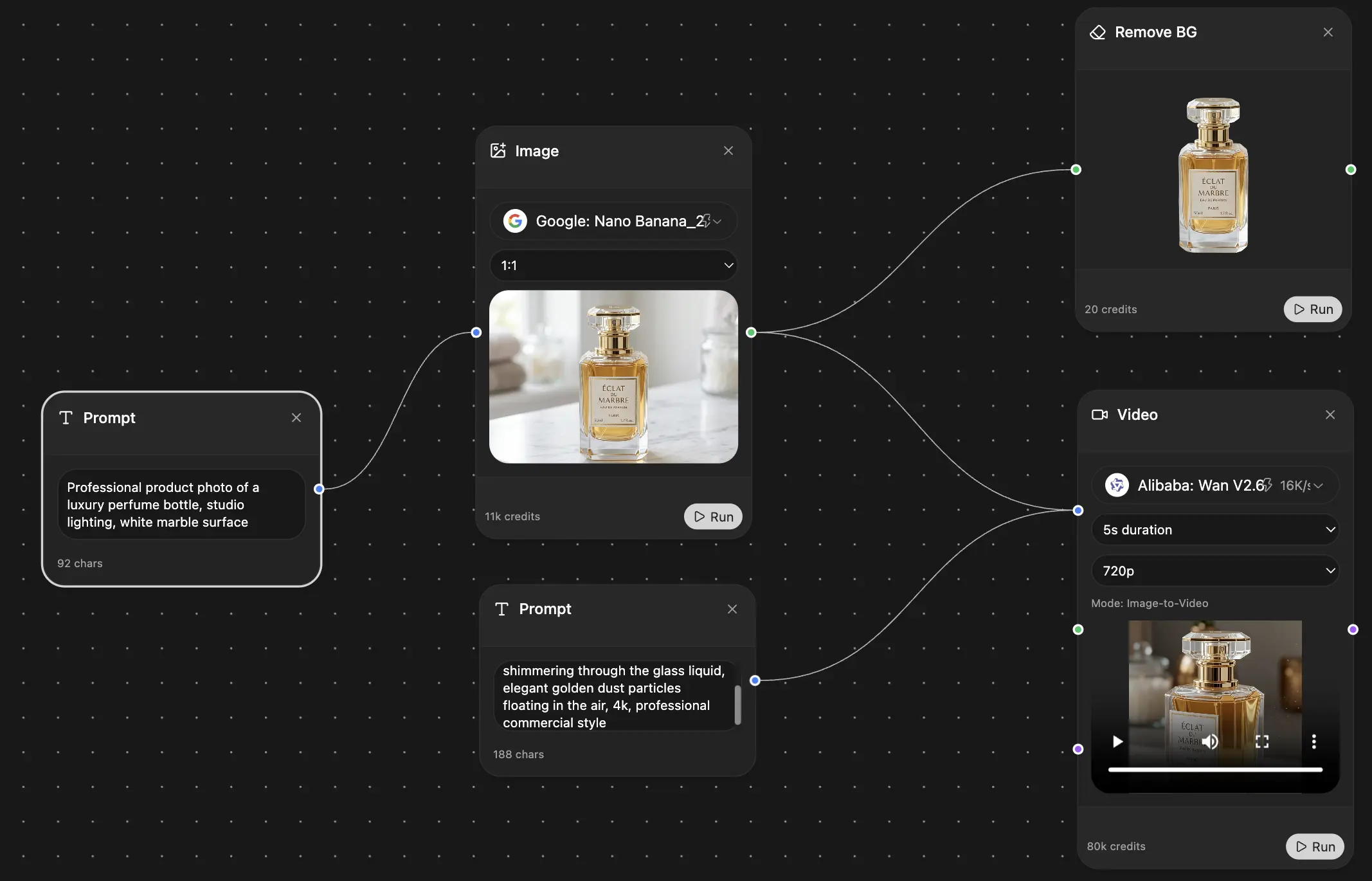
Save hours of work and research
Transparent, High-Value Pricing
Trusted by teams at


Free
No credit card required
- 100 credits daily
- 3 AI models to try
- Basic AI chat
Plus
- 1,000,000 credits/month
- 25+ AI models — GPT, Claude, Gemini, Grok & more
- Agent Mode with web search, computer tools and more
- Creative Studio: image generation and video generation
- Project Library: chat with document, website and youtube, podcast generation, flashcards, reports and more
- Workflow Studio and FocusOS
Professional
- Everything in Plus, and:
- 2,100,000 credits/month
- Pro-exclusive models (Claude Opus, Grok 4, Sonar Pro)
- Motion Tools & Max Mode
- First access to latest features
- Access to additional offers
What Our Users Say
Great Tool after 2 months usage
"I love the way multiple tools they integrated in one platform. Going in the right direction."
— simplyzubair
Best in Kind!
"The quality of data and sheer speed of responses is outstanding. I use this app every day."
— barefootmedicine
Simply awesome
"The credit system is fair, models are perfect, and the discord is very responsive. Quite awesome."
— MarianZ
Great for Document Analysis
"Just works. Simple to use and great for working with documents. Money well spent."
— yerch82
Great AI site with accessible LLMs
"The organization of features is better than all the other sites — even better than ChatGPT."
— sumore
Excellent Tool
"It lives up to the all-in-one claim. All the necessary functions with a well-designed, easy UI."
— AlphaLeaf
Well-rounded platform with solid LLMs
"The team clearly puts their heart and soul into this platform. Really solid extra functionality."
— SlothMachine
Best AI tool I've ever used
"Updates made almost daily, feedback is incredibly fast. Just look at the changelogs — consistency."
— reu0691