How to Combine Two Names: A Creative Guide for 2026
Want to combine two names for a couple, baby, or brand? Our guide covers creative methods, rules, examples, and AI tools to find the perfect blend. Get started!
You’ve probably done this dance already.
Two tabs open. One note full of half-decent ideas. One cursed option that somehow keeps surviving the shortlist. You’re trying to combine two names for a baby, a couple nickname, a startup, a pet, a project, or an online handle, and every result is either too cheesy, too clunky, or sounds like a prescription medication.
That’s normal.
Name blending feels easy right up until you need a name that another human has to say out loud, type correctly, remember later, and not roast you for in the group chat. That’s why quick mashup tools are fun for five minutes, then suddenly not enough when the stakes get real.
That Awkward Moment Before a Great Name is Born
A friend once asked me to help name a puppy. Ten minutes in, we had a whiteboard full of nonsense that sounded like rejected app startups. Another time, a founder wanted to merge two surnames for a new family name and kept landing on options that looked elegant in text and terrible when spoken. Same problem, different outfit.
That awkward stage matters because naming is identity work. You’re not just making a word. You’re deciding what people will repeat.

Name blending is combining two existing names into a new one. It became more visible in the late 20th century as a feminist-inspired alternative to default surname adoption in marriage, and it also solves a very modern problem: hyphenated names can run into database limits, including systems with 16-character limits, which makes blended names more practical online, as noted in .
That’s part of why people keep searching for “how to combine two names” instead of settling for whatever a basic generator spits out. A blended name can feel personal without being long, distinctive without being weird, and modern without sounding like it was assembled by committee.
Why the obvious idea usually fails
The first instinct is usually this: take half of one name, glue it to half of the other, and hope for magic.
Sometimes that works. Often it produces a linguistic pothole.
Here’s what usually goes wrong:
- Too much logic, not enough sound: The blend preserves both source names perfectly, but nobody wants to say it.
- Too much novelty: It looks unique, but it has no rhythm.
- Too much sentiment: It means a lot to you, but to everyone else it sounds like a typo.
- Too little testing: You liked it at midnight. Morning-you would’ve vetoed it.
Good blended names don’t just combine letters. They combine identity, sound, and context.
When I’m helping people brainstorm, I don’t start with “What can we mash together?” I start with “What should this name feel like when someone hears it once?” That tiny shift saves hours.
If you want better raw material before blending, a useful warm-up is borrowing a few so you’re not naming from a blank page and a caffeine deficit.
The Art and Science of Name Blending Patterns
Name blending is often treated like kitchen chaos. Toss in syllables, stir violently, hope for a cute result. A better method involves using a few patterns that consistently produce names humans can live with.
The key insight is understanding that strong blends are usually built around sound, not spelling. According to , successful algorithms often use phonetic decomposition and aim for a 2 to 3 syllable result, because names with awkward vowel pileups are rated as “clunky” 68% of the time.
The four patterns that do most of the work
Not every technique fits every job. For a couple name, playful often wins. For a brand, clarity usually beats cleverness.
Portmanteau when you want instant recognition
This is the classic move. Keep enough of both names that the roots are still visible.
Recipe:
- Take the strongest opening from name one.
- Take the most recognizable ending from name two.
- Say it aloud before you get emotionally attached.
“Ben” plus “Jen” can become Bejen, but you can already hear the problem. It’s technically a blend. It’s also one consonant away from sounding like a typo. For a business pair like “Tech” and “Nova,” Technova works better because the stress pattern is clean and both roots remain recognizable.
Phonetic blending when you care about flow
Better names usually appear through this method. Ignore the letters for a moment and listen to the sounds.
If one name ends with a hard consonant and the other begins with a soft one, the handoff can sound smoother than the spelling suggests. That’s why some ugly written blends sound surprisingly good aloud, and some pretty written ones fall apart instantly.
Practical rule: If you have to explain how to pronounce it, keep iterating.
A simple way to improve this is to write the names as they sound, not as they’re spelled. That exposes hidden collisions fast.
Syllable splicing when you need more control
This is the workhorse pattern for families, babies, and brands.
Try:
- the first syllable of one plus the last syllable of the other
- the stressed syllable from each
- the shorter name as the base, then layer in one signature sound from the longer one
This method gives you more control over rhythm, which is why it’s useful when a name needs to feel polished instead of cute.
For structured ideation, I like the same mindset used in . Prototype several options quickly, then test, reject, refine.
Rhythm beats literal accuracy
People overprotect source names. They want every letter honored like a treaty negotiation.
Don’t.
The best blend is rarely the most faithful one. It’s the one people remember, pronounce, and accept naturally. Drop a letter. Swap an ending. Soften a collision. Your goal is a living name, not a museum exhibit.
Here’s a quick gut check list:
- Say it fast: If it tangles your mouth, it’s not done.
- Say it once to someone else: If they ask “Wait, what?” that’s useful feedback.
- Write it in lowercase: Some names only look good in title case.
- Try it in a sentence: “Meet ___,” “This is ___,” or “Welcome to ___” catches awkwardness fast.
Creative Name Combinations for Every Occasion
The right way to combine two names depends on what the name has to do in the wild. A couple nickname can get away with charm. A baby name needs longevity. A brand has to survive introductions, search results, and someone saying it into a phone with bad reception.
That’s why the same blending trick can be adorable in one setting and disastrous in another.

Couple names and ship names
Usually, people start here. “How to create a ship name” is basically modern folklore with Wi-Fi.
A good ship name has three jobs:
- sound fun
- be easy to type
- still clearly point back to both people
You can be looser here. A ship name doesn’t need legal elegance. It needs meme survival. Short, punchy blends tend to do better than long, respectful, syllable-preserving monuments.
Try these filters:
- Keep it compact: If it starts looking like a Wi-Fi password, trim it.
- Favor obvious roots: If nobody can tell who’s in the blend, it won’t stick.
- Choose energy over symmetry: A slightly uneven name with personality beats a balanced one that feels flat.
Baby names that won’t cause future side-eye
Baby name blending needs more restraint. This is not the place for a joke that got too far.
You’re looking for a name that still works when the child is five, fifteen, and filling out formal documents. Flow matters. Meaning matters. Playground resilience matters. Family pronunciation matters too, especially in multilingual families.
I usually ask three questions:
- Does it sound like a real name when spoken naturally?
- Does it avoid obvious teasing material?
- Can grandparents pronounce it without needing a user manual?
The best blended baby names usually feel discovered, not constructed.
If you want more idea fuel, even playful inspiration like can help loosen up your pattern thinking. Weirdly enough, naming exercises from fictional characters and mascots often uncover better sound combinations than staring harder at two human names.
Business and brand names
Sentiment calls for supervision.
For companies, creators, products, and newsletters, the blend has to carry meaning without sounding generic. Portmanteaus can work very well here. According to , 67% of Fortune 500 portmanteau brands lasted over 15 years, and blended names showed 78% higher recall in brand lift studies than non-blended names.
That doesn’t mean every blend is good. It means strong blends can be durable.
A practical framework for “combine words for business name” looks like this:
- Literal plus evocative: One part says what you do, the other adds mood or ambition.
- Short base plus strong ending: Especially useful when one root is technical and the other is emotional.
- Sound before spelling: If people can’t say it confidently, they won’t recommend it confidently.
Good business blends often land between obvious and ownable. Too obvious, and you sound interchangeable. Too ownable, and nobody knows what they just heard.
Usernames and online handles
Usernames are the most practical version of this whole game. You need something distinctive enough to claim, simple enough to remember, and clean enough to use across platforms.
That changes the rules:
- shorter is usually better
- weird spelling can backfire
- repeated letters create confusion
- hidden accidental words show up fast
For handles, I like combining:
- a first name fragment plus a niche signal
- a surname fragment plus a style word
- two concept words rather than two full names, if clarity improves
Blending becomes less romantic and more tactical. Which is refreshing.
Level Up Your Name Game with AI Tools
Basic name mashup websites are fine for sparks. They’re not great at judgment.
They usually can’t tell whether a name sounds polished, feels too close to an existing brand, or collapses when you move from personal naming to professional naming. That gap is getting more obvious. According to , queries for “business name combiner with domain check” spiked 40%, while most tools still don’t include real-time availability checks.

That’s the key difference between a toy generator and a serious naming workflow. One gives you outputs. The other helps you judge them.
What AI is actually good at in naming
AI shines when you use it for breadth first, then pressure-testing second.
It’s great at:
- generating many directions quickly
- reframing the same roots in different tones
- surfacing alternatives you wouldn’t have made manually
- identifying sound patterns and naming families
It’s less reliable when you ask it for a final answer in one shot. That’s how you end up with names that are polished but hollow.
A better workflow looks like this:
- Generate blends from the source names.
- Ask for variants by tone, such as elegant, playful, premium, technical, minimal.
- Remove weak options fast.
- Stress-test the shortlist for pronunciation, confusion, and unwanted associations.
- Run research before you fall in love.
Copy and paste prompts that produce better options
Prompt quality matters. Generic prompt in, generic blend out.
Try prompts with constraints:
For a couple or family name
“Combine these two names into 20 blended options. Keep them easy to pronounce, natural in English, and avoid awkward vowel collisions. Group them into elegant, modern, and playful styles.”For a baby name
“Blend these two names into options that feel like real first names. Prioritize smooth rhythm, gentle sound transitions, and names that don’t feel gimmicky.”For a startup or creator brand
“Combine these two names and generate 15 brandable options. Keep them short, memorable, and easy to say aloud. Avoid names that sound overly corporate or generic.”For usernames
“Create concise handle-style blends from these two names. Keep them clean, readable, and likely to work across social platforms.”
If you want stronger prompt structure, reading a plain-English guide to helps a lot. You don’t need jargon. You need clearer instructions.
Use AI for filtering, not just brainstorming
Newer AI workflows show their true value. After you’ve got a shortlist, ask the model to critique it from multiple angles:
- Pronunciation risk
- Similarity to known categories
- Likely misspellings
- Tone mismatch
- Cross-cultural awkwardness
- Handle friendliness
You can also ask for “repaired versions” of weak names. That’s a trick I use constantly. Instead of discarding an almost-good blend, ask the model to preserve the core idea while improving flow.
A weak first draft name often contains the seed of the best final one.
Here’s another helpful reality check. If you’re publishing naming concepts, logos, or brand assets generated with AI, it’s useful to understand how people interpret machine-assisted work. This explainer on does a good job of unpacking that broader context without the usual doom-and-glow nonsense.
A video can help if you want to watch the workflow in action before trying it yourself.
The underrated move is iterative prompting
The best AI naming sessions don’t ask for one perfect answer. They narrow the field in rounds.
Round one gives you raw possibilities.
Round two improves the survivors.
Round three tests the finalists against real-world friction.
That iterative loop is what basic generators miss. They don’t reason, compare, or refine with you. They just keep tossing confetti.
Avoiding Common Pitfalls and Naming Disasters
A name can sound great in your head and still fail the minute it meets another person. That’s not bad luck. That’s untested naming.
Most disasters happen because people stop at “I like it” instead of asking “Will this still work when spoken, searched, shared, and slightly misheard?” Those are very different questions.

The pronunciation trap
If people freeze when they try to say it, that’s your answer.
This issue gets even bigger in multicultural families and international brands. As noted in , intermarriages have risen 20% in major markets since 2015, and 62% of blended baby names are abandoned due to family pronunciation issues.
That stat tracks with what I see in practice. Families don’t usually reject a name because it’s meaningless. They reject it because every introduction becomes a small correction.
The common failure modes
- Too many vowels in a row: Looks dreamy, sounds slippery.
- Unclear stress pattern: People put the emphasis in different places.
- Accidental resemblance: Your “fresh” blend sounds suspiciously close to something established.
- Forced symmetry: You preserved equal chunks from both names, but killed the rhythm.
- Trendy clutter: Extra letters, cute spelling, and unnecessary twists age badly.
Names don’t fail because they’re unusual. They fail because they create friction.
The Google test and the group text test
You don’t need a formal committee, but you do need reality.
Do these before committing:
Search it
Look for obvious collisions, weird meanings, or unrelated baggage.Say it in noise
A coffee shop test works. If the other person asks you to repeat or spell it, note that.Text it to three honest people
Ask what they think it is, how they’d pronounce it, and what vibe they get.Try it in context
For a baby: “This is ___.”
For a brand: “Welcome to ___.”
For a handle: “Follow me at ___.”
Cultural sensitivity is not optional
This gets skipped far too often.
A blend can be perfectly harmless in one language and awkward, confusing, or unpleasant in another. Even if you’re naming for a local audience, families are multilingual, teams are global, and products travel. It’s worth checking how the name behaves across accents and whether key sounds disappear or distort.
For brand work, that broader consistency belongs in the same conversation as tone, voice, and visual identity. A practical primer on can help you think beyond “cool name” and toward “consistent system.”
Future-proof it a little
Not every name needs to feel timeless, but it should survive the next phase of life.
Ask:
- Will this still sound credible in five years?
- Does it lock me into a niche I may outgrow?
- Is the joke doing too much work?
- Would I be comfortable saying this in a formal setting?
If the name only works when accompanied by a long explanation and a brave smile, keep going.
Your Ultimate Name Combination Checklist
Before you commit to any blended name, run this quick audit. It catches most of the avoidable mistakes.
The final pass
Try at least three blending patterns
Don’t crown the first decent option. Portmanteau, phonetic blend, and syllable splice can produce wildly different results from the same source names.Say the name out loud several ways
Quiet room, normal conversation, and slight background noise. Good names survive all three.Check whether someone else can spell it back
If they miss it immediately, the blend may be too clever or too awkward.Test for emotional fit
A baby name, startup name, ship name, and username should not be judged by the same standard.Look for collisions and baggage
Search it. Scan for obvious overlap, confusion, or unfortunate associations.Check cross-cultural usability
If the name will travel across languages, accents, or family circles, make sure it’s not fragile.Keep a shortlist, not a soulmate fantasy
The winning name usually emerges after comparison, not infatuation.
Pick the name that feels easiest to live with, not the one that wins by sentiment alone.
Naming gets better when you treat it like a creative process with testing, not a lightning bolt. That’s true whether you’re trying to combine two names for love, business, or the world’s most photogenic golden retriever.
If you want one place to brainstorm names, refine them with multiple AI models, research conflicts, and pressure-test your shortlist without bouncing between a dozen tabs, try . It’s built for exactly the kind of messy creative workflow naming requires.
Explore Zemith Features
Every top AI. One subscription.
ChatGPT, Claude, Gemini, DeepSeek, Grok & 25+ more


Always on, real-time AI.
Voice + screen share · instant answers
What's the best way to learn a new language?
Immersion and spaced repetition work best. Try consuming media in your target language daily.
Voice + screen share · AI answers in real time
Image Generation
Flux, Nano Banana, Ideogram, Recraft + more

Write at the speed of thought.
AI autocomplete, rewrite & expand on command
Any document. Any format.
PDF, URL, or YouTube → chat, quiz, podcast & more
Video Creation
Veo, Kling, Grok Imagine and more

Text to Speech
Natural AI voices, 30+ languages
Code Generation
Write, debug & explain code
Chat with Documents
Upload PDFs, analyze content
Your AI, in your pocket.
Full access on iOS & Android · synced everywhere
Your infinite AI canvas.
Chat, image, video & motion tools — side by side
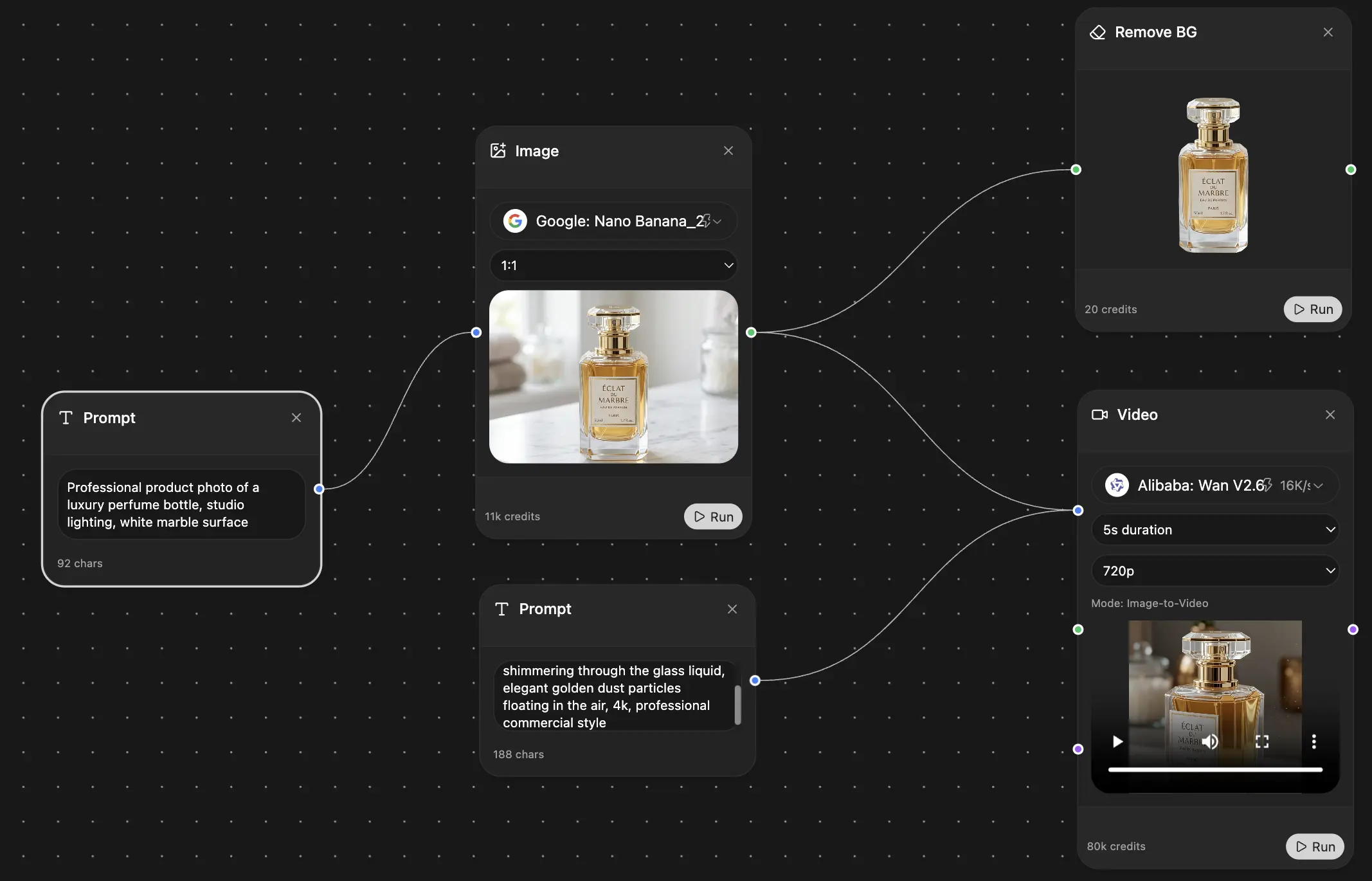
Save hours of work and research
Transparent, High-Value Pricing
Trusted by teams at


Free
No credit card required
- 100 credits daily
- 3 AI models to try
- Basic AI chat
Plus
- 1,000,000 credits/month
- 25+ AI models — GPT, Claude, Gemini, Grok & more
- Agent Mode with web search, computer tools and more
- Creative Studio: image generation and video generation
- Project Library: chat with document, website and youtube, podcast generation, flashcards, reports and more
- Workflow Studio and FocusOS
Professional
- Everything in Plus, and:
- 2,100,000 credits/month
- Pro-exclusive models (Claude Opus, Grok 4, Sonar Pro)
- Motion Tools & Max Mode
- First access to latest features
- Access to additional offers
What Our Users Say
Great Tool after 2 months usage
"I love the way multiple tools they integrated in one platform. Going in the right direction."
— simplyzubair
Best in Kind!
"The quality of data and sheer speed of responses is outstanding. I use this app every day."
— barefootmedicine
Simply awesome
"The credit system is fair, models are perfect, and the discord is very responsive. Quite awesome."
— MarianZ
Great for Document Analysis
"Just works. Simple to use and great for working with documents. Money well spent."
— yerch82
Great AI site with accessible LLMs
"The organization of features is better than all the other sites — even better than ChatGPT."
— sumore
Excellent Tool
"It lives up to the all-in-one claim. All the necessary functions with a well-designed, easy UI."
— AlphaLeaf
Well-rounded platform with solid LLMs
"The team clearly puts their heart and soul into this platform. Really solid extra functionality."
— SlothMachine
Best AI tool I've ever used
"Updates made almost daily, feedback is incredibly fast. Just look at the changelogs — consistency."
— reu0691